
 By Olivia Wilson Media Team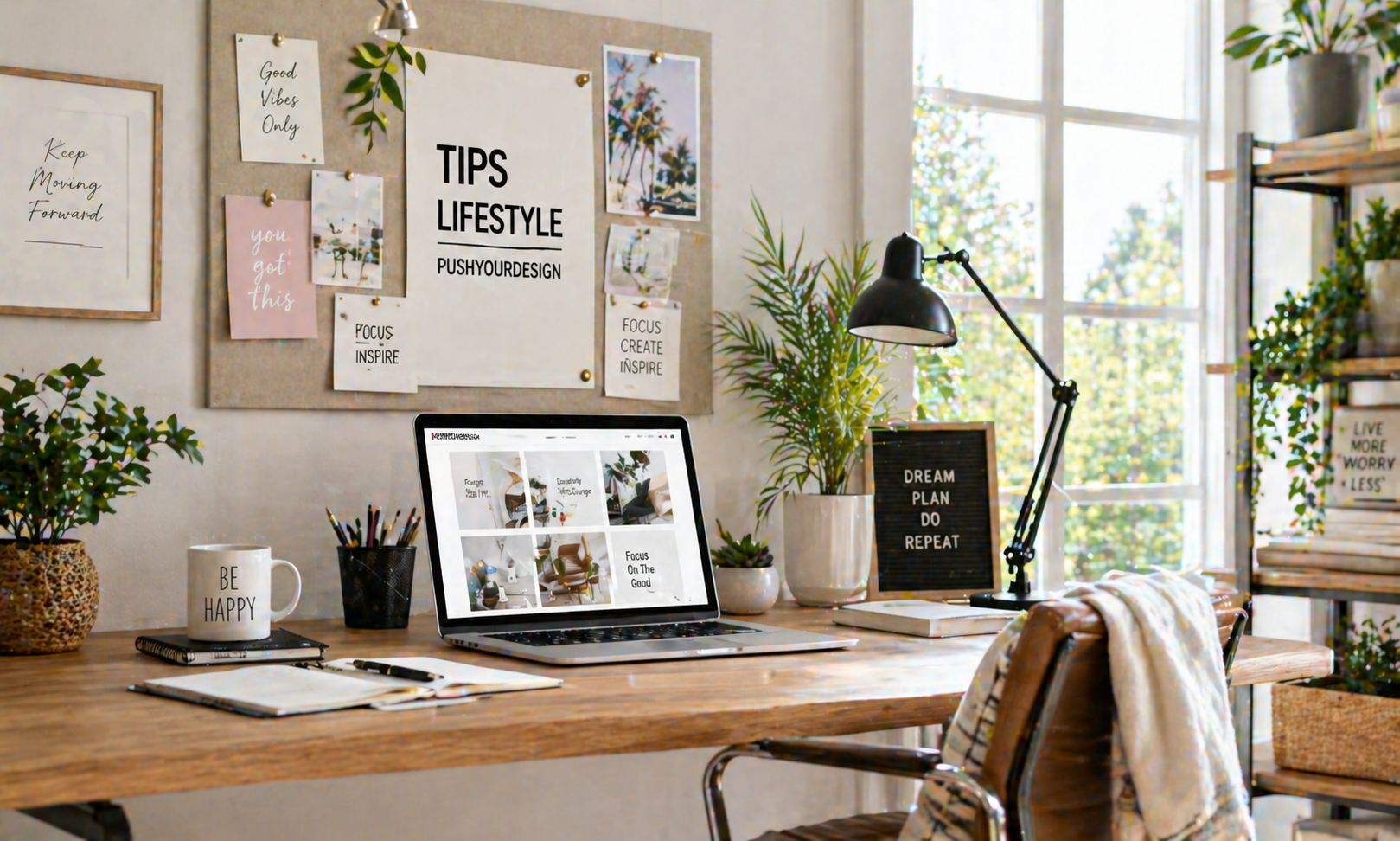
Living a fulfilling life requires more than just going through the motions each day. It demands intentional choices, creative thinking, and a willingness to design your lifestyle around what truly matters to you. The concept of tips lifestyle pushyourdesign centers on the idea that you can actively shape your daily experiences, environments, and habits to create a life that reflects your values and aspirations. This approach combines practical lifestyle strategies with design thinking to help you build a more meaningful existence.
Many people feel stuck in routines that don’t serve them well, surrounded by environments that fail to inspire, and following habits that drain rather than energize. The good news is that transformation is possible when you apply intentional design principles to your lifestyle. By thinking like a designer about your own life, you can identify what works, eliminate what doesn’t, and create systems that support your goals and happiness.
The foundation of tips lifestyle pushyourdesign lies in recognizing that your life is something you can actively design rather than passively experience. Design thinking, traditionally applied to products and services, offers powerful frameworks for approaching personal lifestyle choices. This mindset shift empowers you to see challenges as design problems waiting for creative solutions rather than fixed circumstances you must endure.
Design thinking emphasizes empathy, experimentation, and iteration. When applied to lifestyle improvement, this means truly understanding your own needs and desires, trying different approaches without fear of failure, and continuously refining your habits and environment based on what you learn. This process transforms personal development from a rigid set of rules into a flexible, creative practice that adapts to your changing circumstances and evolving goals.
The philosophy also recognizes that small, thoughtful changes compound over time to create significant transformation. Rather than pursuing dramatic overnight makeovers that rarely stick, the design approach favors incremental improvements that build upon each other. This sustainable method respects the complexity of human behavior while providing clear pathways for meaningful change that lasts beyond initial motivation.
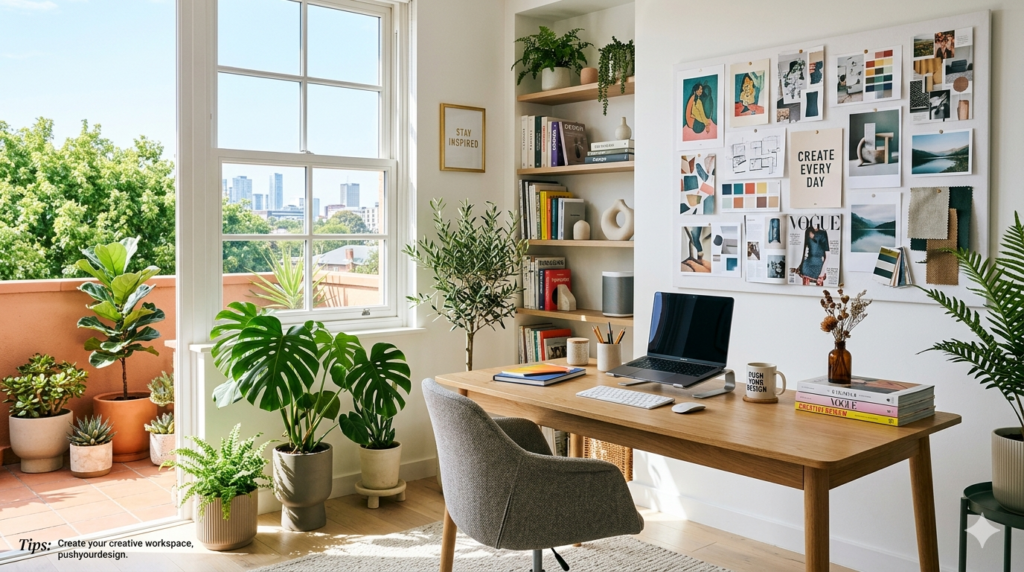
Your physical environment profoundly impacts your mood, productivity, and overall well-being. Tips lifestyle pushyourdesign emphasizes intentional space creation that supports your desired lifestyle rather than working against it. Start by evaluating each area of your home and asking whether it serves its intended purpose effectively and whether it makes you feel the way you want to feel when you’re there.
Decluttering represents a foundational step in lifestyle design, but it goes beyond simple minimalism. The goal is to create space that contains only items that serve a function or bring genuine joy. This curation process forces important decisions about what deserves space in your life, both literally and figuratively. As you remove excess, you make room not just physically but mentally and emotionally for what truly matters.
Lighting, color, texture, and organization all contribute to how spaces make you feel and function. Natural light energizes and regulates circadian rhythms, so maximize it wherever possible. Colors influence mood, with warm tones creating coziness and cool tones promoting calm focus. Textures add richness and comfort, while thoughtful organization reduces daily friction by ensuring everything has a logical place. These elements work together to create environments that actively support your lifestyle goals.
How you structure your days determines the quality of your life more than any single decision. Tips lifestyle pushyourdesign applies design principles to routine creation, helping you build daily patterns that align with your energy levels, priorities, and long-term objectives. The key is creating routines that feel natural and sustainable rather than rigid schedules that require constant willpower to maintain.
Begin by identifying your personal energy patterns throughout the day. Most people have predictable windows when they feel most alert, creative, or social. Design your routine to match important tasks with appropriate energy levels. Tackle complex creative work during peak mental hours, schedule administrative tasks for moderate energy periods, and reserve low-energy times for rest or simple maintenance activities.
Morning and evening routines bookend your days and deserve special attention in lifestyle design. A thoughtful morning routine sets positive momentum by incorporating activities that energize and center you before daily demands begin. Evening routines prepare you for quality rest by creating boundaries between work and personal time while establishing calming rituals that signal your body it’s time to wind down. These consistent patterns provide structure while remaining flexible enough to accommodate life’s unpredictability.
Creativity isn’t reserved for artists and designers but represents a fundamental human capacity that enriches daily living. The tips lifestyle pushyourdesign approach encourages integrating creative practices into regular routines, regardless of your profession or artistic background. These practices enhance problem-solving abilities, increase life satisfaction, and provide healthy outlets for self-expression and stress relief.
Creative practices don’t require special talent or extensive time commitments. Simple activities like journaling, cooking experimental meals, rearranging furniture, or trying new routes during daily walks all engage creative thinking. The goal is to break habitual patterns and engage with life more consciously and playfully. This mindset shift transforms mundane activities into opportunities for exploration and discovery.
Designate specific times and spaces for creative exploration without the pressure of producing anything particular. This could be a Sunday morning sketch session, a Wednesday evening for trying new recipes, or fifteen minutes before bed for reflective writing. Regular creative engagement, even in small doses, keeps your mind flexible and reminds you that life offers endless possibilities for novelty and personal expression.
What you consume, from food and media to products and experiences, shapes your physical health, mental state, and values. Tips lifestyle pushyourdesign advocates for conscious consumption choices that align with your desired lifestyle rather than default patterns driven by convenience or advertising. This awareness transforms consumption from a passive activity into an active design choice.
Start by examining your current consumption patterns across different areas. Track what you eat, what media you consume, what you purchase, and how these choices make you feel afterward. This awareness often reveals disconnects between intentions and actions. You might discover that social media scrolling leaves you drained rather than connected, or that convenience foods undermine your energy levels despite saving time.
Design consumption frameworks that simplify good choices and create friction around less beneficial ones. This might mean meal planning on Sundays to support healthy eating during busy weekdays, uninstalling distracting apps from your phone, or implementing a waiting period before non-essential purchases. These designed barriers and supports make desired behaviors easier while requiring conscious decisions for less aligned choices.
Human connection profoundly influences happiness and life satisfaction, yet many people leave their social lives to chance rather than intentional design. The tips lifestyle pushyourdesign philosophy applies to relationships and community building, helping you create a social environment that nourishes rather than depletes you. This doesn’t mean manipulating people but rather being thoughtful about how you invest your limited social energy.
Evaluate your current relationships and social commitments honestly. Which connections energize you and which drain you? Where are you investing time out of obligation rather than genuine desire? This assessment isn’t about eliminating people but understanding relationship dynamics so you can make informed choices about where to focus your attention and effort.
Design regular connection rituals with people who matter most. This might be weekly phone calls with distant friends, monthly dinner parties, or annual trips with specific groups. These planned touchpoints ensure important relationships receive consistent attention rather than getting lost in daily busyness. Similarly, create boundaries around relationships or social situations that consistently leave you feeling worse, protecting your energy for connections that truly matter.
Continuous learning and development keep life engaging while expanding your capabilities and perspectives. Tips lifestyle pushyourdesign treats personal growth as an ongoing design project rather than a destination to reach. This approach embraces experimentation, values progress over perfection, and recognizes that growth often comes through unexpected paths rather than linear progression.
Identify areas where you want to develop, whether skills, knowledge, characteristics, or experiences. Approach these growth goals with a designer’s mindset by prototyping small experiments rather than committing to massive undertakings. Want to become more physically active? Try different movement forms for a month each to discover what you actually enjoy rather than forcing yourself into a gym routine you hate.
Build learning into your lifestyle design through environmental cues and habit stacking. Keep books in places where you naturally have downtime, listen to educational podcasts during commutes, or practice new languages while cooking. These integrated learning approaches make growth part of your natural routine rather than something requiring separate time blocks and motivation reserves.
Financial health provides the foundation for lifestyle design freedom, yet many people avoid engaging with their finances until problems demand attention. The tips lifestyle pushyourdesign approach brings intentional design to financial management, creating systems that support your lifestyle goals while building security and flexibility for the future.
Start by clarifying what money means in your life beyond just numbers in accounts. Money represents options, security, freedom, or stress depending on your relationship with it. Understanding your financial values helps you make spending and saving decisions that align with what actually matters to you rather than generic advice or societal expectations about what you should want.
Design financial systems that automate good decisions and provide clear visibility into your situation. Automatic transfers to savings and investment accounts ensure future priorities receive attention before daily spending depletes resources. Simple tracking systems, whether apps or spreadsheets, give you awareness of patterns without requiring obsessive monitoring. These designed systems remove the constant decision-making burden while keeping you aligned with your financial goals.
Physical and mental health form the foundation for everything else in life, making them essential priorities in lifestyle design. Tips lifestyle pushyourdesign approaches wellness not through restrictive rules but by designing environments and routines that make healthy choices natural and sustainable. This removes the constant willpower battle by engineering your life to support well-being.
Movement opportunities can be designed into daily life beyond dedicated exercise sessions. Walking or biking for transportation, taking stairs instead of elevators, or standing desk arrangements all increase activity without requiring gym time. Similarly, social movement opportunities like walking meetings or active friend dates combine connection with physical activity.
Mental wellness benefits from designed practices that regulate stress and promote emotional resilience. This might include meditation spaces in your home, regular nature exposure, boundaries around work hours, or therapeutic practices like journaling or counseling. These aren’t luxuries but essential maintenance for the system that runs everything else in your life. Designing them into your routine ensures they happen consistently rather than only during crises.
The ultimate test of any lifestyle change is whether it persists beyond initial enthusiasm. Tips lifestyle pushyourdesign emphasizes sustainability by creating changes that feel natural and rewarding rather than requiring constant discipline. This approach respects human nature while providing structures that support better choices over time.
Sustainability comes from aligning changes with your actual values and preferences rather than adopting someone else’s ideal lifestyle. What works beautifully for one person might be miserable for another. A designer’s approach involves honest self-assessment about what you genuinely enjoy and what truly matters to you, then building systems around those realities.
Regular review and iteration keep your lifestyle design current as your circumstances and preferences evolve. Schedule quarterly or annual lifestyle reviews where you assess what’s working and what needs adjustment. This ongoing refinement process prevents accumulation of habits and commitments that no longer serve you while keeping your lifestyle aligned with your current goals and values.
Tips lifestyle pushyourdesign refers to an approach that applies design thinking principles to personal lifestyle development. It means actively designing your daily routines, environment, habits, and choices rather than passively accepting default patterns. This methodology treats your life as an ongoing creative project where you can experiment, iterate, and refine based on what works best for your unique circumstances and goals.
Begin by choosing one area of your life that feels misaligned with your values or goals. Assess the current state honestly, identify what you want instead, and design small experiments to move in that direction. Start with your physical environment or morning routine since these offer tangible, controllable starting points. Track what works, adjust what doesn’t, and gradually expand to other life areas as you build confidence in the design process.
Absolutely. Lifestyle design isn’t about having unlimited resources but about using whatever you have more intentionally. Small environmental tweaks cost nothing, routine adjustments require only different choices about existing time, and many beneficial practices like walking, journaling, or decluttering are free. The design approach actually helps maximize limited resources by eliminating waste and focusing effort on what truly matters to you.
Traditional self-improvement often prescribes specific behaviors or goals as universally beneficial. Tips lifestyle pushyourdesign instead provides a framework for discovering what works for you specifically. It emphasizes experimentation over perfection, iteration over rigid adherence, and personal alignment over external standards. This approach respects individual differences and changing circumstances rather than assuming one solution fits everyone.
Some changes produce immediate results, like environmental modifications that instantly improve your space or morning routine adjustments that change how your day begins. Other benefits accumulate gradually as small improvements compound over weeks and months. The design approach values both quick wins that build momentum and patient long-term development. Most people notice meaningful differences within a few weeks while recognizing that lifestyle design is an ongoing practice rather than a finished project.
Tips lifestyle pushyourdesign offers a powerful framework for taking control of your daily experience and building a life that reflects your true values and aspirations. By applying design thinking to personal lifestyle choices, you transform from a passive recipient of circumstances into an active creator of your reality. This shift empowers you to experiment, learn, and continuously refine how you live rather than feeling stuck in patterns that don’t serve you well.
The beauty of this approach lies in its flexibility and sustainability. Rather than demanding perfection or radical overnight transformation, lifestyle design embraces incremental improvement and personalized solutions. What works brilliantly for someone else might not suit you, and that’s perfectly fine. The methodology provides tools for discovering your own answers through thoughtful experimentation and honest self-assessment. As you practice designing your lifestyle intentionally, you develop greater awareness of what truly matters to you and increased skill at creating conditions that support your well-being and goals. This ongoing creative practice makes life itself your most important and rewarding design project.