
 By Olivia Wilson Media Team
If you’ve come across the term pigeimmo and weren’t quite sure what it means you’re not alone. It’s one of those terms that sounds technical at first but becomes straightforward once it’s properly explained.
Whether you’re looking into it for personal use, professional reasons, or just out of curiosity, this guide will walk you through everything you need to know clearly and without unnecessary jargon.
Pigeimmo refers to a digital tool or platform used in the real estate sector to organize, manage, or analyze property-related data. It typically helps real estate professionals agents, brokers, or property managers access and manage listings, client records, or market information from a centralized online system.
Pigeimmo is a real estate management or data tool used primarily by property professionals. It helps organize listings, track activity, and streamline workflows. If you work in real estate or are researching property tech tools, understanding pigeimmo can help you make smarter decisions about how you manage or access property information.
The real estate industry has changed a lot over the last decade. What was once done manually tracking listings, managing client relationships, analyzing market data is now handled digitally.
As more property professionals look for efficient tools, niche platforms and systems like pigeimmo have started attracting attention. Some users discover it through their workplace. Others come across it while researching property tech solutions. Either way, the need for clear, honest information about it is real.
Understanding what a platform does before you use it is just smart practice especially when it involves property data or client information.
At its core, pigeimmo functions as a real estate intelligence or management platform. Depending on the version or context, it may include features such as:
- Property listing management organizing and displaying available properties
- Market data access pulling insights on pricing, availability, or trends
- Client and lead tracking keeping agent-client communication organized
- Search and filter tools helping agents find the right property match quickly
Think of it like a backend dashboard for real estate professionals. Instead of juggling spreadsheets and emails, everything lives in one place.
For example, a real estate agency in Chicago might use a platform like pigeimmo to manage dozens of active listings, track which clients have viewed which properties, and monitor how long homes have been sitting on the market all without switching between five different tools.
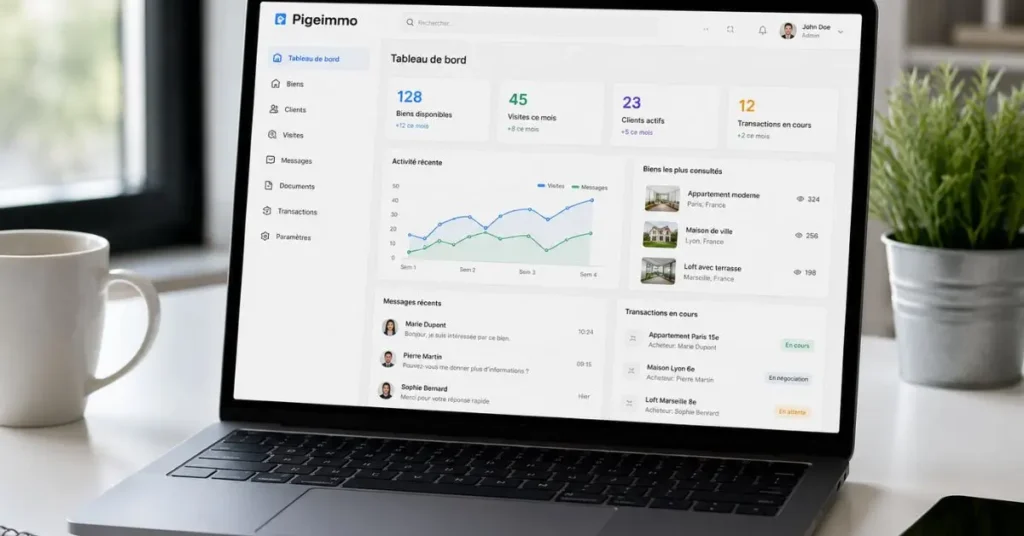
Pigeimmo isn’t typically a consumer-facing tool. It’s built more for the professional side of real estate. That includes:
Real Estate Agents and Brokers
They use platforms like this to stay organized and move faster. When an agent has 30 active clients and 50 listings, having a centralized system makes a real difference.
Property Managers
Those overseeing rental portfolios need to track leases, maintenance requests, and tenant communication. A property data platform fits naturally into that workflow.
Real Estate Analysts
Analysts and researchers use data-rich platforms to track pricing trends, identify market opportunities, and produce reports for investors or agencies.
Real Estate Investors
Some investors use these kinds of tools to monitor listings in specific ZIP codes, track price changes, and identify undervalued properties before they go mainstream.
The property tech space often called proptech is growing fast. There are dozens of platforms that do similar things. So where does pigeimmo fit?
| Feature | Pigeimmo | General CRM Tools | MLS Platforms |
| Real estate specific | Yes | Partial | Yes |
| Listing management | Yes | Limited | Yes |
| Market data/analytics | Yes | No | Yes |
| Client tracking | Yes | Yes | Partial |
| Built for professionals | Yes | Varies | Yes |
This comparison is based on general platform categories. Specific features may vary depending on the version of pigeimmo being used and the market it serves.
The key difference with niche tools like pigeimmo is that they’re built with the real estate professional’s daily workflow in mind not adapted from a generic business software platform.
If you’re working in real estate and still relying on manual processes, the gap between you and more tech-savvy competitors grows every year.
Speed. Finding and presenting the right property information quickly can mean the difference between closing a deal and losing a client to a faster agent.
Organization. One centralized system beats five disconnected tools.
Data-driven decisions. Instead of guessing what the market is doing, you’re looking at actual numbers.
Scalability. As your business grows, a good platform grows with it. You can manage ten listings or a hundred without reinventing your process.
Like any tool, it’s worth being realistic about expectations. A few honest points:
It works best when consistently used. If your team doesn’t adopt it fully, the benefits shrink quickly. Partial use of any platform limits its effectiveness.
Learning curve exists. Any new system takes time to learn. Budget time for onboarding, especially if your team isn’t already comfortable with property tech.
Not every feature may apply to you. Some tools within a platform like pigeimmo may not be relevant to your specific niche residential vs. commercial, for example. Focus on what actually fits your workflow.
Data accuracy matters. The platform is only as useful as the information put into it. If listings or client data aren’t updated regularly, the tool loses value fast.
In the United States, the real estate market is highly competitive and data-heavy. Agents and brokers are already working with MLS systems, CRMs like Salesforce or HubSpot, and platforms like Zillow or Realtor.com.
A tool like pigeimmo would need to either integrate with these existing systems or offer something distinctly better in a specific area like deeper analytics, cleaner UI, or more affordable pricing for smaller agencies.
For US-based real estate professionals, the best approach is to evaluate pigeimmo based on:
- Does it integrate with tools you already use?
- Is the pricing model transparent and scalable?
- Does it serve your property type (residential, commercial, rental)?
- Is there reliable support and documentation?
These are the questions worth asking before committing to any platform pigeimmo included.
Pigeimmo is used as a real estate management or data platform, primarily by property professionals. It helps organize property listings, track market trends, manage client interactions, and streamline day-to-day real estate workflows all from one centralized system.
Yes, pigeimmo can be useful for individual agents, not just large agencies. Solo agents benefit from organized listing management and client tracking just as much as larger teams do. The key is whether the platform’s features match the agent’s specific needs and whether the cost is justified by the time saved.
Pigeimmo is built specifically for real estate, while standard CRMs are general business tools adapted for different industries. Real estate-specific platforms like pigeimmo typically include listing management, property search tools, and market data features things a generic CRM won’t offer out of the box.
While pigeimmo may have roots in European real estate markets, digital property platforms increasingly operate internationally. US, UK, and Canadian real estate professionals may find it useful depending on whether the platform supports their local market data and integrates with their existing tools.
Most professional real estate platforms operate on a subscription or freemium model. Whether pigeimmo offers a free tier, trial period, or paid-only access depends on the current version of the platform. Checking the official website directly is the most reliable way to get accurate, up-to-date pricing information.
Like any platform handling personal or client data, pigeimmo should comply with relevant data protection laws including GDPR in Europe and applicable privacy regulations in the US. Before using any property platform to store client data, confirm its privacy policy and data security practices.
Pigeimmo sits in a growing category of tools that are reshaping how real estate professionals work. It’s not magic software, and it won’t replace the skills and relationships that make a great agent. But used consistently and correctly, it can make a real difference in how organized, fast, and data-informed your work becomes.
If you’re exploring real estate tech tools for the first time, it’s worth comparing a few options side by side before committing. And if you’re already using a platform but feel like it’s not delivering, that’s a sign to reassess not just stick with what’s familiar.